

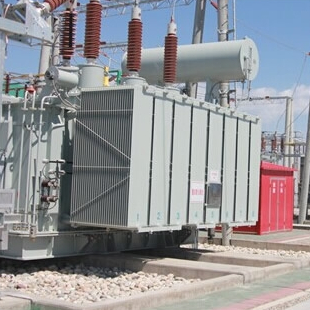
Global Power Transformer Market: Demand Changes, Opportunities, and Challenges (2015–2025)
If you operate an international trading company selling electrical power equipment (such as transformers or electrical components), understanding the global transformer market is very important.
Over the past 10 years, the industry has moved from stable growth to strong expansion, and many experts believe the power equipment industry is entering a major growth cycle.
1. Global Demand Trends in the Past 10 Years
1. Steady Market Growth
The global power transformer market has been growing steadily.
Estimated market size:
| Year | Market Size |
|---|---|
| 2015 | about $20–22 billion |
| 2023 | about $38 billion |
| 2024 | about $40+ billion |
| 2030 (forecast) | about $50 billion |
Average annual growth rate: around 5–7%
The market experienced four stages:
2015–2019
-
Stable growth due to grid investments.
2020
-
Temporary decline due to the COVID-19 pandemic.
2021–2023
-
Strong recovery.
2023–Present
-
Demand surge driven by renewable energy and AI data centers.
In many countries, large power transformer delivery time has increased to 18–36 months because supply cannot keep up with demand.
2. Key Drivers of Transformer Demand
There are five major drivers behind the increase in transformer demand.
1. Renewable Energy Expansion (The Biggest Driver)
Wind and solar energy installations are growing rapidly worldwide.
Renewable energy requires multiple voltage conversions.
Example for a wind farm:
-
Wind turbine output: 690 V
-
Step-up transformer: 33 kV
-
Transmission grid: 110 kV / 220 kV
Each step requires transformers.
Therefore:
A 1 GW wind project may require dozens of transformers.
Countries investing heavily in renewables include:
-
China
-
United States
-
India
-
Europe
-
Middle East
2. Aging Power Grid Infrastructure
Many power grids in North America and Europe are very old.
A large portion of transformers are 30–50 years old, which is close to the end of their service life.
For example:
In the United States:
-
Over 60 million distribution transformers
-
More than half are approaching replacement age
This creates massive replacement demand.
3. Rapid Growth of Data Centers and AI
Artificial intelligence is dramatically increasing electricity demand.
Large data centers require huge power capacity.
Typical power demand for a data center:
100 MW – 500 MW
Each data center requires:
-
Power transformers
-
Backup transformers
-
Distribution transformers
As AI expands, electricity infrastructure must grow with it.
4. Electrification of Transportation and Industry
The global shift toward electrification includes:
-
Electric vehicles
-
Electric railways
-
Electric steelmaking
-
Hydrogen production
All of these require new substations and upgraded power networks, which increases transformer demand.
5. Expansion of Long-Distance Transmission (HVDC)
Many countries are building High Voltage Direct Current (HVDC) transmission lines.
These systems require special converter transformers, which are high-value equipment.
Examples of large HVDC projects exist in:
-
China
-
Middle East
-
Europe
-
Africa
3. Major Opportunities in the Transformer Industry
For companies involved in exporting electrical equipment, there are several major opportunities.
1. Global Supply Shortage
The transformer industry currently faces serious supply shortages.
Reasons include:
-
Long manufacturing cycles
-
Limited production capacity
-
Growing global demand
In some cases:
Transformer delivery time can reach 2–3 years.
This creates opportunities for new suppliers and exporters.
2. Renewable Energy Power Plants
Solar and wind projects require:
-
Generator step-up transformers
-
Pad-mounted transformers
-
Dry-type transformers
Countries with strong renewable growth include:
-
United States
-
India
-
Brazil
-
Middle East
3. Data Center Infrastructure
The rapid expansion of data centers is creating new demand for:
-
High-efficiency transformers
-
Dry-type transformers
-
Smart monitoring systems
Major markets:
-
United States
-
Canada
-
Europe
-
Singapore
4. Grid Modernization
Developed countries are upgrading their electrical grids.
Main demand includes:
-
Distribution transformers
-
Smart transformers
-
Energy-efficient transformers
5. Emerging Markets
The fastest growth in electricity demand is in:
-
India
-
Southeast Asia
-
Africa
-
Middle East
These regions are building new power infrastructure.
4. Challenges Facing the Industry
Despite strong demand, the industry also faces several challenges.
1. Raw Material Constraints
Transformer manufacturing requires key materials:
-
Grain-oriented electrical steel (CRGO)
-
Copper
-
Transformer oil
Prices for these materials can fluctuate significantly.
2. Trade Barriers
Some countries are increasing:
-
Anti-dumping measures
-
Local manufacturing requirements
-
Import restrictions
This affects global trade in electrical equipment.
3. High Technical Requirements
Modern transformers must meet strict standards:
-
High energy efficiency
-
Low energy loss
-
Smart monitoring capabilities
Many countries require compliance with international efficiency standards.
4. Manufacturing Capacity Limitations
Large power transformers are complex to produce.
Manufacturing requires:
-
Specialized insulation systems
-
High-voltage testing facilities
-
Skilled engineers
Building a new transformer factory can take 3–5 years.
5. Major Global Transformer Manufacturers
Leading companies in the transformer industry include:
| Company | Country |
|---|---|
| Hitachi Energy | Japan |
| Siemens Energy | Germany |
| GE Vernova | United States |
| Toshiba | Japan |
| Hyosung | South Korea |
| TBEA | China |
Chinese manufacturers are particularly competitive in:
-
Medium voltage transformers
-
Distribution transformers
6. Outlook for the Next 10 Years
Many analysts believe the power equipment industry is entering a “golden decade.”
Three major trends support this view:
-
Explosive growth in electricity demand
-
Global energy transition to renewable power
-
Massive investment in grid infrastructure
Some experts say:
“The most important infrastructure of the future will be electricity networks.”
7. Strategic Advice for Electrical Export Companies
If your company exports electrical equipment, consider focusing on these areas.
1. High-demand products
The most promising products include:
-
Distribution transformers
-
Pad-mounted transformers
-
Solar power plant transformers
2. Target markets
High-growth markets include:
-
United States
-
Middle East
-
India
-
Southeast Asia
-
Africa
3. Provide integrated solutions
Instead of selling only single products, offer complete power solutions.
For example:
Solar power projects may require:
-
Transformers
-
Switchgear
-
Protection systems
-
Control equipment
Providing integrated systems can increase competitiveness. Ezitown will help you obtain advantage in market, welcome to check our catalog
https://www.ezitown.com/category/distribution-box/power-transformer/

