

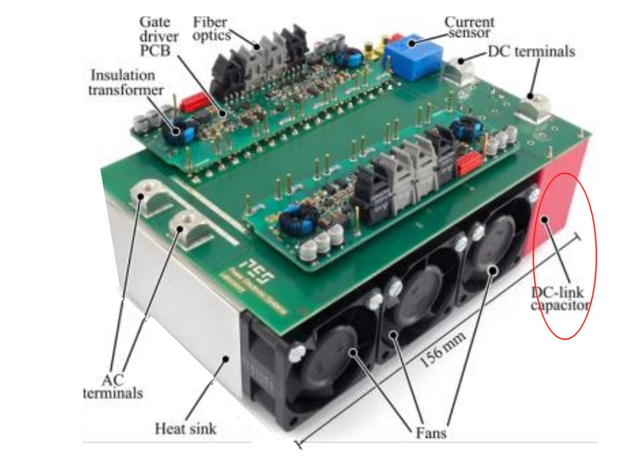
SST Solid-State Transformers: Current Development, Advantages, Prospects, and Business Opportunities
A Solid-State Transformer (SST) is a very advanced technology in the power industry.
Many power engineers believe that SSTs could become an important component of future power grids, but they are still far from completely replacing traditional transformers.
Below is a clear explanation covering:
-
Technology
-
Current development stage
-
Advantages
-
Limitations
-
Market outlook
-
Business opportunities for you
1. What Is a Solid-State Transformer?
A traditional transformer works based on electromagnetic induction.
Main components:
-
Iron core
-
Copper windings
-
50/60 Hz operating frequency
A solid-state transformer is different. It combines:
-
Power electronics
-
High-frequency transformer
-
Digital control systems
Typical structure:
-
AC → DC rectification
-
DC → high-frequency AC conversion
-
High-frequency transformer isolation
-
Output conversion back to AC or DC
Essentially, an SST is a combination of a transformer and a power electronics system.
2. Current Global Development Stage (2025)
Overall assessment:
SST technology is still in the demonstration and early commercialization stage.
Current applications are mainly in:
-
Microgrids
-
EV charging stations
-
Data centers
-
Railway traction systems
The market size is still very small.
Estimated market size by 2033: about $580 million.
For comparison:
The traditional transformer market is about $40 billion.
This means SST is currently a niche and emerging technology.
3. Key Advantages of Solid-State Transformers
1. Smaller Size
SSTs use high-frequency transformers.
Higher frequency → smaller magnetic core.
Benefits include:
-
Smaller physical size
-
Lighter weight
-
Easier installation in urban power systems
2. Ability to Handle DC Power
Traditional transformers can only convert:
AC → AC
Solid-state transformers can manage:
-
AC
-
DC
-
Hybrid AC/DC systems
This makes them very suitable for:
-
Data centers
-
EV charging infrastructure
-
Energy storage systems
3. Bidirectional Power Flow
Future power systems require bidirectional energy flow because of:
-
Solar generation
-
Energy storage
-
Electric vehicles
SSTs can easily control two-way power flow, which is important for modern smart grids.
4. Smart Grid Capabilities
SSTs provide advanced functions such as:
-
Voltage regulation
-
Power flow control
-
Real-time monitoring
For this reason, they are sometimes called “smart transformers.”
5. Potentially Higher Efficiency in Some Applications
In complex power systems, SSTs can help improve overall efficiency and power quality.
4. Why SSTs Are Not Widely Used Yet
There are four major challenges.
1. High Cost
Solid-state transformers can cost 3–5 times more than traditional transformers.
The main cost drivers include:
-
SiC or GaN semiconductor devices
-
Advanced control systems
-
Cooling systems
2. Reliability Concerns
Traditional transformers can operate for 40–60 years.
SSTs rely heavily on power electronic components, which usually have shorter lifetimes.
3. High Technical Complexity
SST design involves multiple disciplines:
-
Power electronics
-
Control algorithms
-
Thermal management
-
Electromagnetic compatibility
This increases engineering difficulty.
4. Limited High-Voltage Capability
Currently SSTs are mostly used in medium-voltage systems:
-
10 kV
-
20 kV
-
35 kV
They are not yet suitable for very high-voltage transmission systems such as:
-
220 kV
-
500 kV
-
800 kV
These applications still rely on traditional transformers.
5. Future Development Outlook (Next 10–20 Years)
Most experts believe that SSTs will not completely replace conventional transformers.
Instead, both technologies will coexist, serving different applications.
Four Areas Where SST Could Grow Rapidly
1. EV Charging Infrastructure
Future high-power charging stations require:
-
AC power
-
DC power
-
Energy storage integration
SST technology fits these requirements very well.
2. Data Centers
Some data centers are moving toward DC power distribution, which is compatible with SST technology.
3. Microgrids
Future cities may use more localized microgrids with distributed energy resources.
SSTs could become key components in these systems.
4. Electrified Rail Systems
Railway traction power systems are one of the earliest practical applications of SST technology.
6. Business Opportunities for Your Company
Considering that you run an electrical equipment trading business, here is a realistic perspective.
Opportunity 1: Traditional Transformers Will Remain Dominant
For the next 10–20 years, conventional transformers will still dominate the market.
Demand will continue growing due to:
-
Renewable energy projects
-
Grid modernization
-
Electrification
So the traditional transformer business will remain very strong.
Opportunity 2: SST Supply Chain Components
Instead of manufacturing SSTs themselves, many companies may focus on supplying components such as:
-
SiC power modules
-
High-frequency magnetic cores
-
Capacitors
-
Control electronics
-
Thermal management systems
These component markets could grow rapidly.
Opportunity 3: Medium-Voltage Power Equipment
The fastest-growing markets are likely to include:
-
Data centers
-
EV charging infrastructure
-
Microgrids
These require equipment such as:
-
Medium-voltage transformers
-
Power converters
-
Power distribution equipment
Opportunity 4: Integrated Energy Solutions
Future electrical equipment companies will not only sell individual products.
Instead, they will provide complete power system solutions.
For example, a solar power system may include:
-
Inverters
-
Transformers
-
Switchgear
-
Energy management systems
Companies that provide integrated solutions will be more competitive.
7. Realistic Industry Perspective
Some experts say that the current situation of SST technology is similar to hydrogen energy today.
It has strong potential, but large-scale adoption will take time.
The likely scenario for the next 20 years:
| Technology | Future Role |
|---|---|
| Traditional transformers | Still dominant |
| Smart transformers | Rapid growth |
| Solid-state transformers | Specialized applications |
8. A Very Important Industry Trend
In the future, the fastest-growing segment in the power industry may not be traditional transformers.
Instead, it may be power electronics equipment, such as:
-
HVDC systems
-
STATCOM
-
FACTS devices
-
Solid-state transformers
This is because future power grids are evolving into power-electronics-based grids.
If you want, I can also explain something very useful for your business:
The three electrical power products that are expected to generate the highest profits in the next 20 years.
Many Chinese companies exporting these products have already built hundreds of millions of dollars in global sales.

